


 02 9541 3500
Tensiio Force Tensiometer
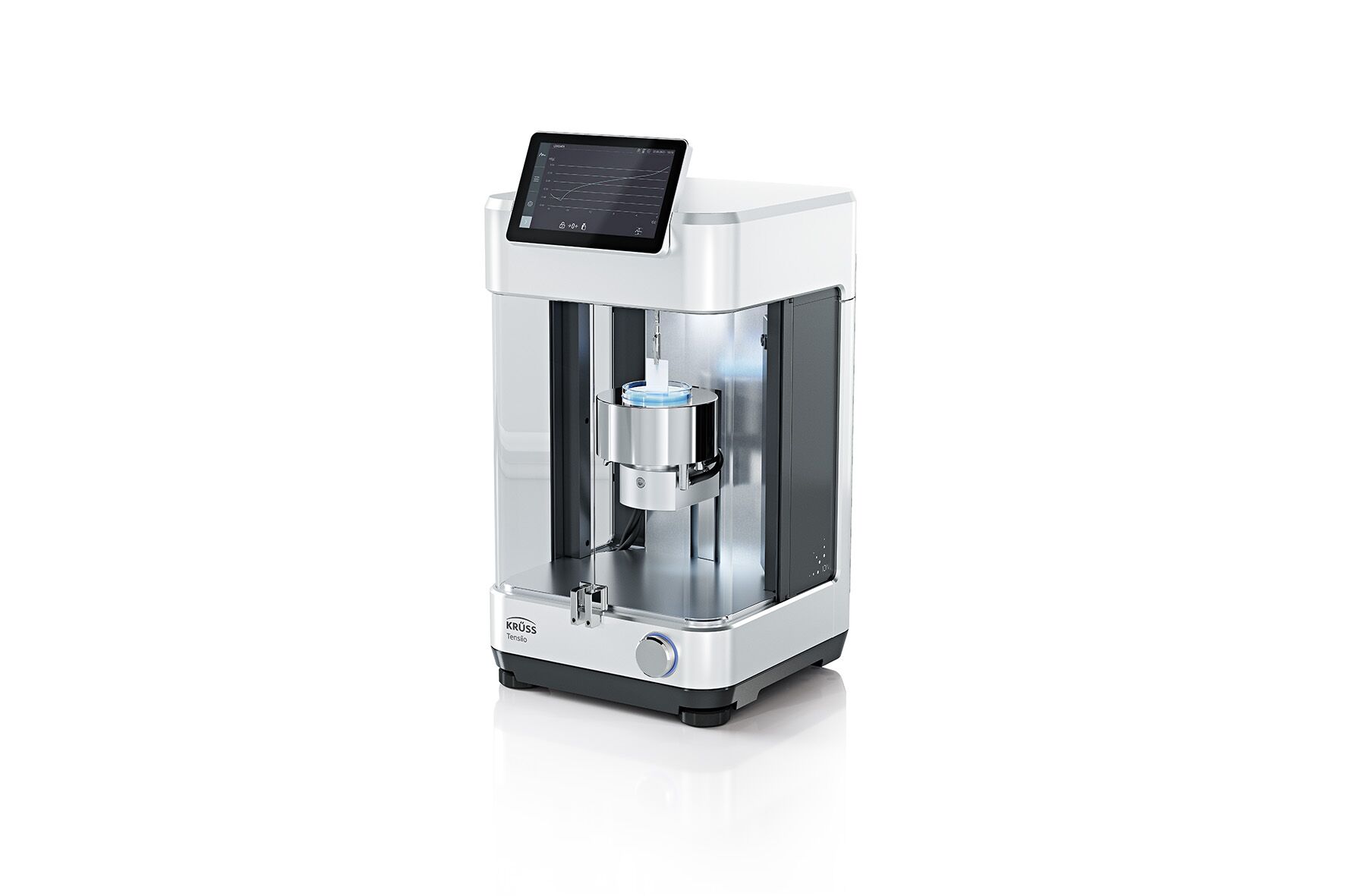
Tensíío is a modular tensiometer that enables the analysis of surface and interfacial tension, wettability and many other properties of solids and liquids.



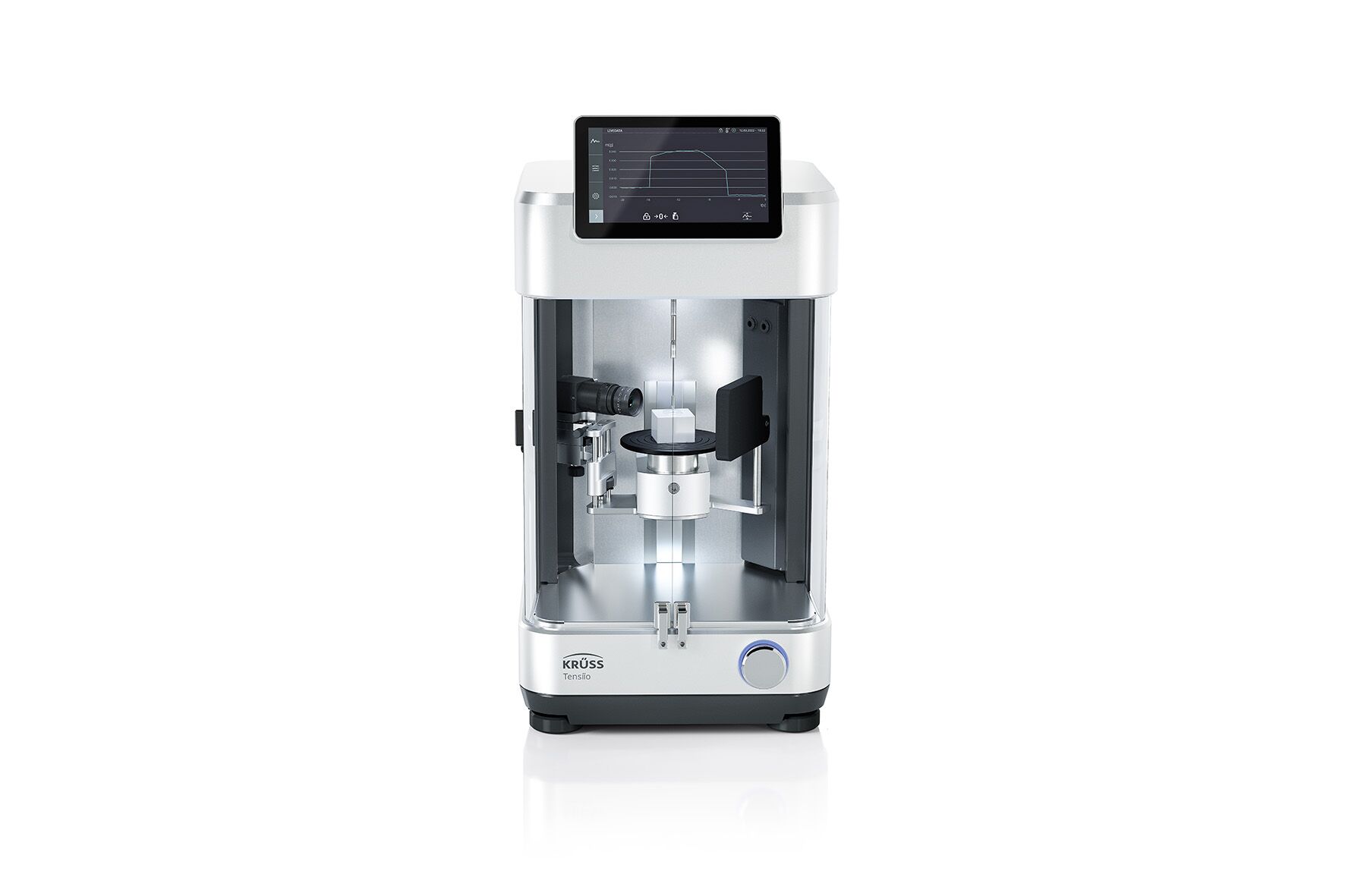
Tensiio Force Tensiometer
Tensíío is a modular tensiometer that enables the analysis of surface and interfacial tension, wettability and many other properties of solids and liquids.
| Manufacturer | KRUSS |
|---|---|
| Product Series | KRUSS Tensiometer |
| Measurement principle | Surface tension and interfacial tension using the ring, plate, and rod method |
| Application | Surface Tension - Contact Angle |
| Sample type | Contact angle, SFE and surface/ interfacial tension liquids, solids, powders or fibers |
| Temperature control | -15 and 300 °C |
| Range | 1 to 2000 mN/m |
Product Overview
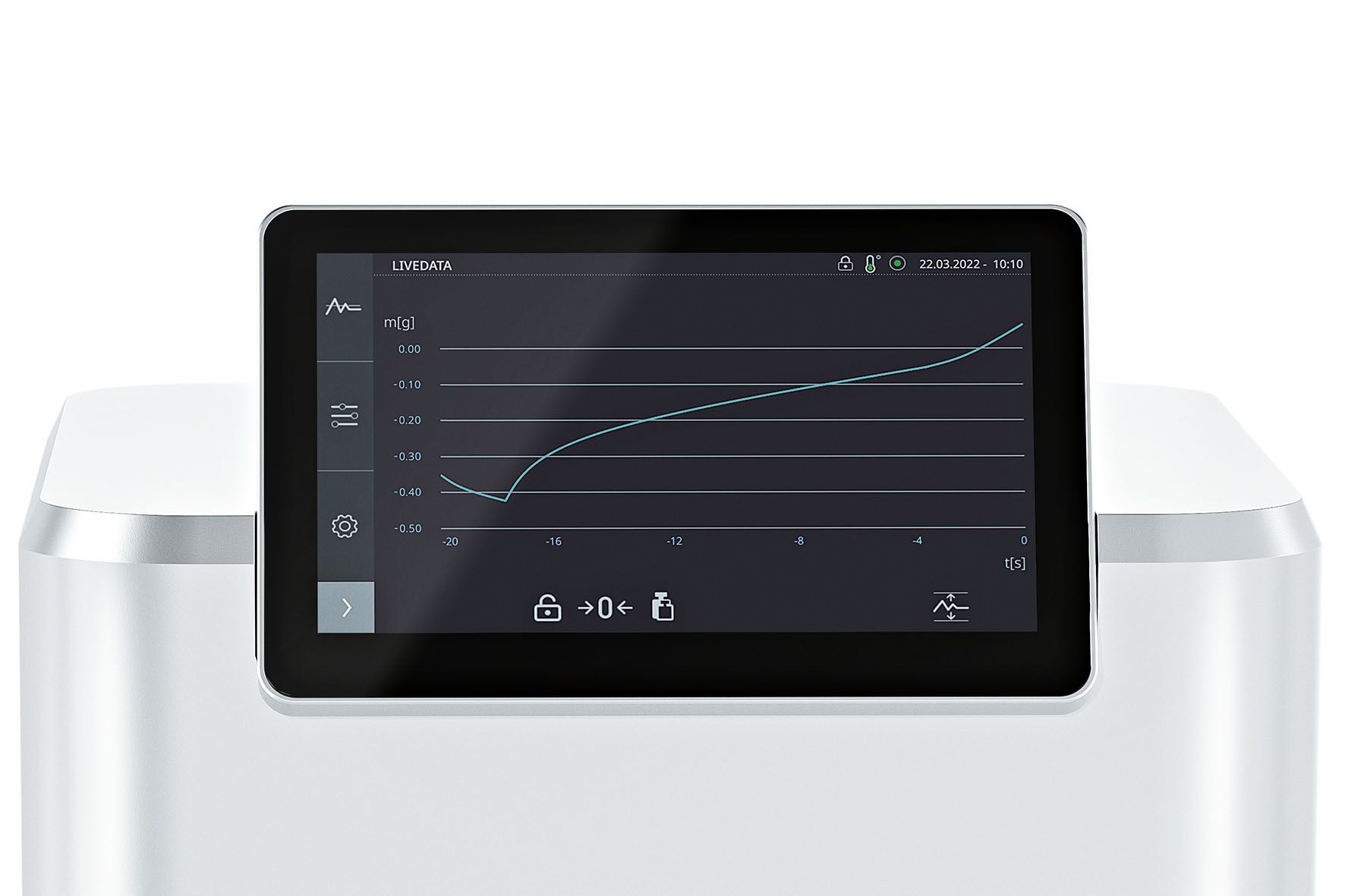
The KRUSS Tensiio Force tensiometer is a new generation, universal tensiometer for liquid and solid surfaces. Designed to be modular it offers intuitive operation with a touch display and additional options that can be tailored to suit future changing laboratory needs.
The high-resolution force sensor provides high precision and is capable of measuring low interfacial tensions and even wetting forces at single fibers. The positioning system for the sample stage has the largest dynamic range to date in the segment of tensiometers based on force measurement. To save time before and during each measurement, the sample stage of Tensíío moves particularly fast while preventing premature sample contact using preprogrammed standard positions. The sample stage can also move very slowly, minimising any vibration when studying high viscosity liquids.
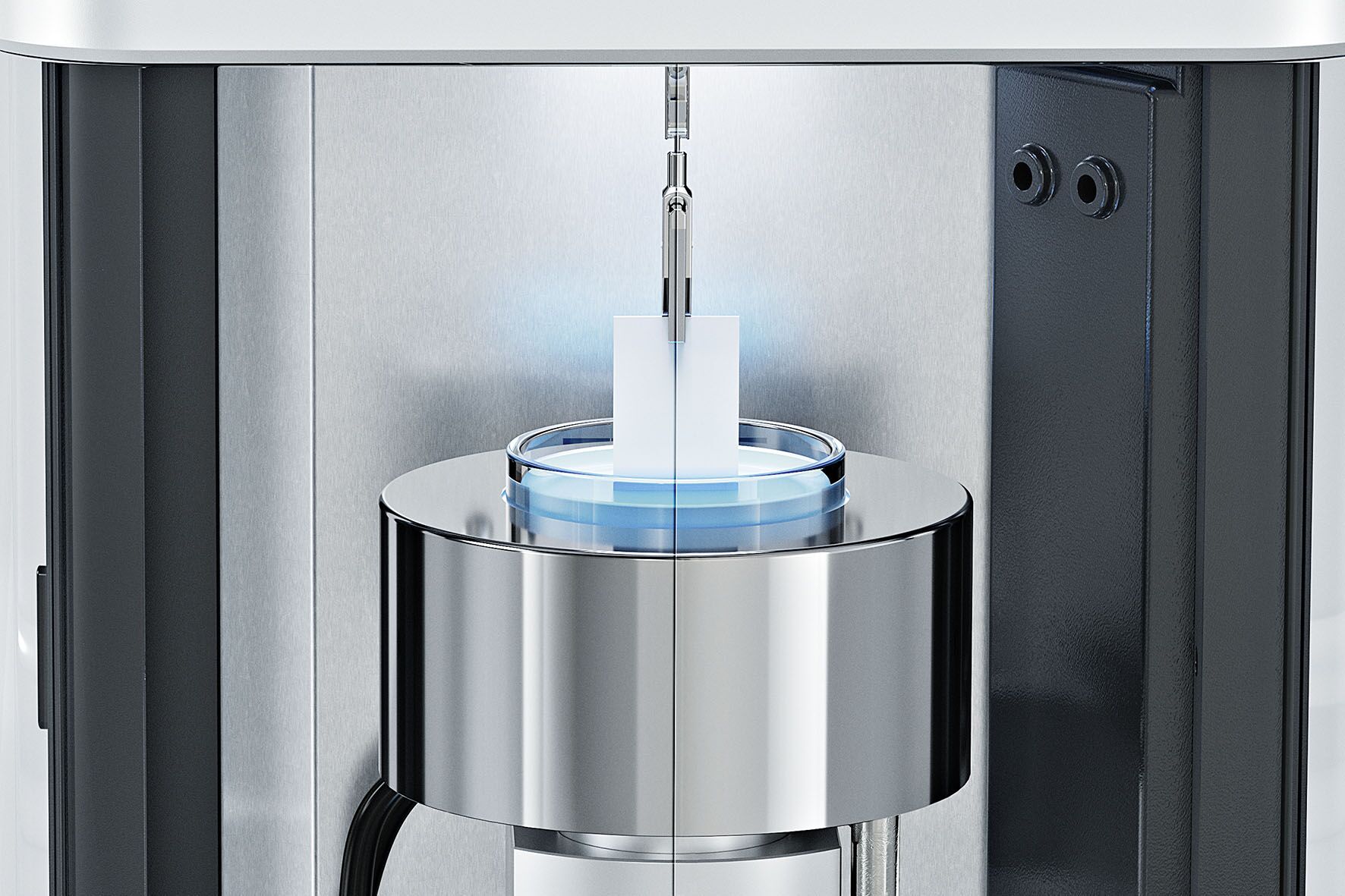
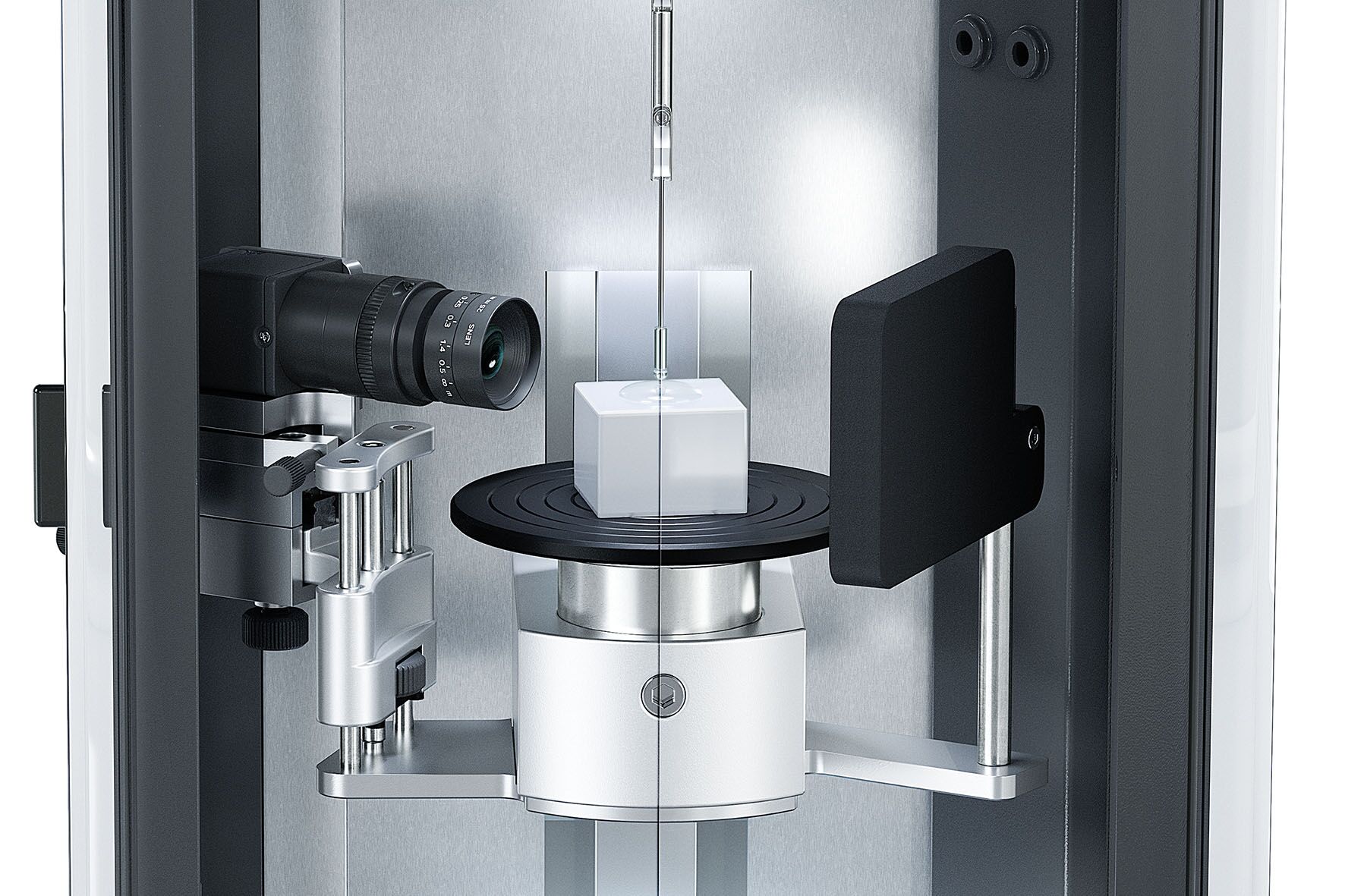
Measurement preparation is simple thanks to the spacious, easily accessible sample chamber and the built-in stirrer and integrated temperature control up to 300 °C. Additional options expand the possibilities for analyses of solid surfaces. An optional ioniser helps to remove interfering static charges while the optional high-resolution camera records what happens at the contact area at the liquid surface. It can measure the adhesion between a drop and a solid surface while analysing the drop optically.
ADVANCE software offers several different approaches of analysing surface and interfacial tension, each one carried out automatically using prepared and adaptable programs. Users can also create their own methods using the flexible and intuitive automation programming toolbox.
- Demonstration Video
- Benefits
- Applications
Demonstration Video
Benefits
- Next-generation tensiometer that grows with your tasks
- A large, integrated touch display simplifies operation and saves space in the lab
- High-resolution force sensor provides for maximum precision
- Integrated temperature control between -15 and 135 °C
- 15 different methods for surface and interfacial tension and wettability analysis
- Optional high-resolution camera records what happens at the contact area at the liquid surface
Applications
- Determination of the effectiveness and efficiency of surfactants by critical micelle concentration (CMC) measurement
- Wetting behavior of tablets, pharmaceutical active ingredients, and excipients
- Wetting of varnishes and paints
- Analysing the aging status of oils according to ASTM D 971 and IEC 62961
- Wetting and adhesion of coatings
- Development of cosmetic products
- Wetting properties of inks
- Wetting of fiber bundles and textiles
- Sedimentation and ductility of dispersions
- Checking of surface modifications
- Adhesion at super hydrophobic surfaces
Related products
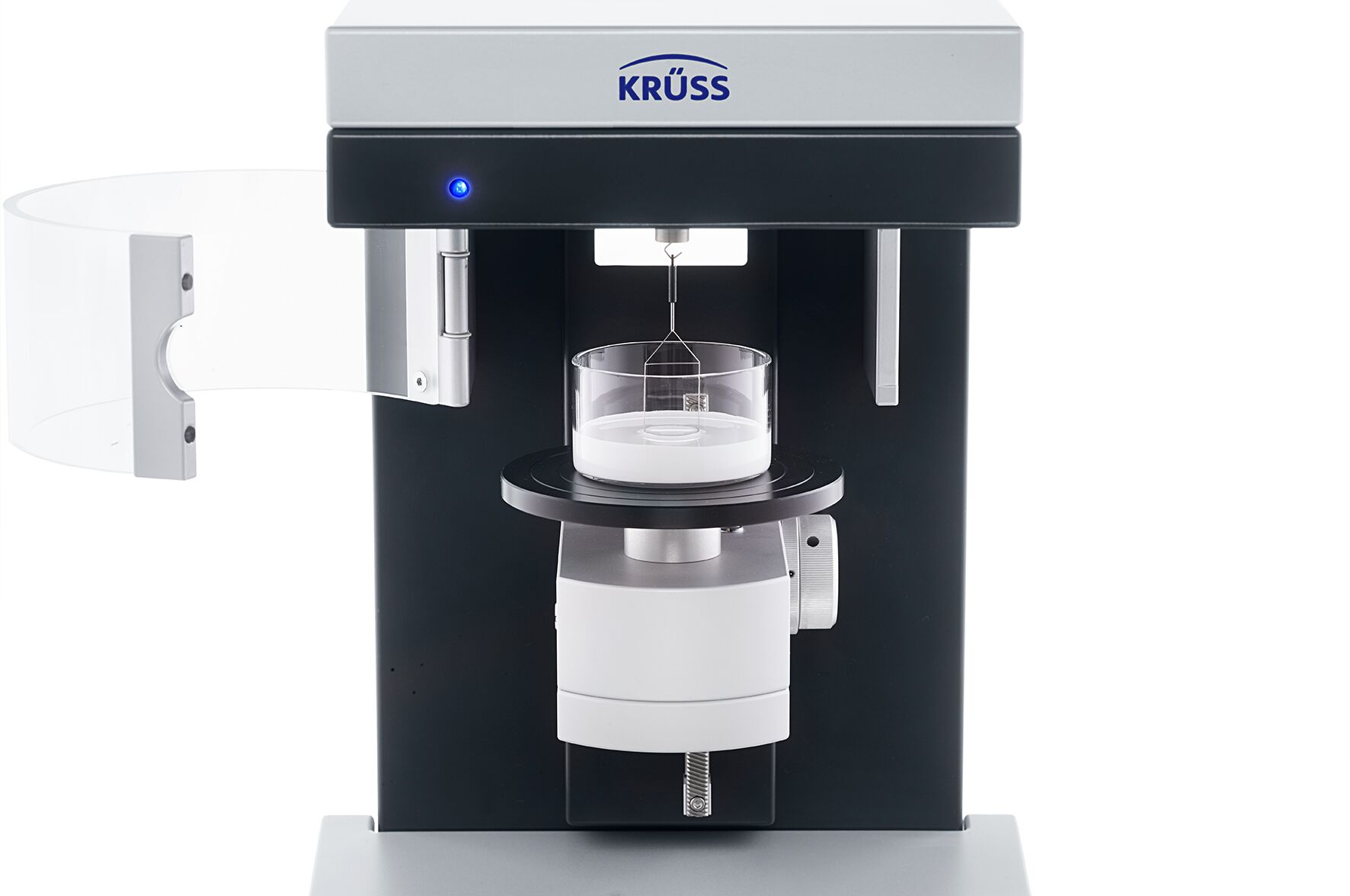
K20 Force Tensiometer
K20 Force Tensiometer is a stand-alone, semi-automatic instrument for all routine quality control tasks involving surface tension and interfacial tension.
Find out more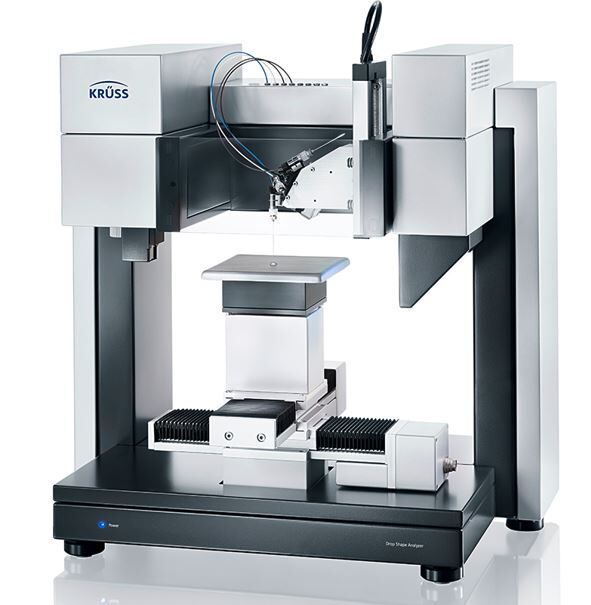
DSA100 Drop Shape Analyser
DSA100 is a high performance Drop Shape Analyser that enables static and dynamic contact angle measurements on solid surfaces and measurement of the surface tension of liquids.
Find out more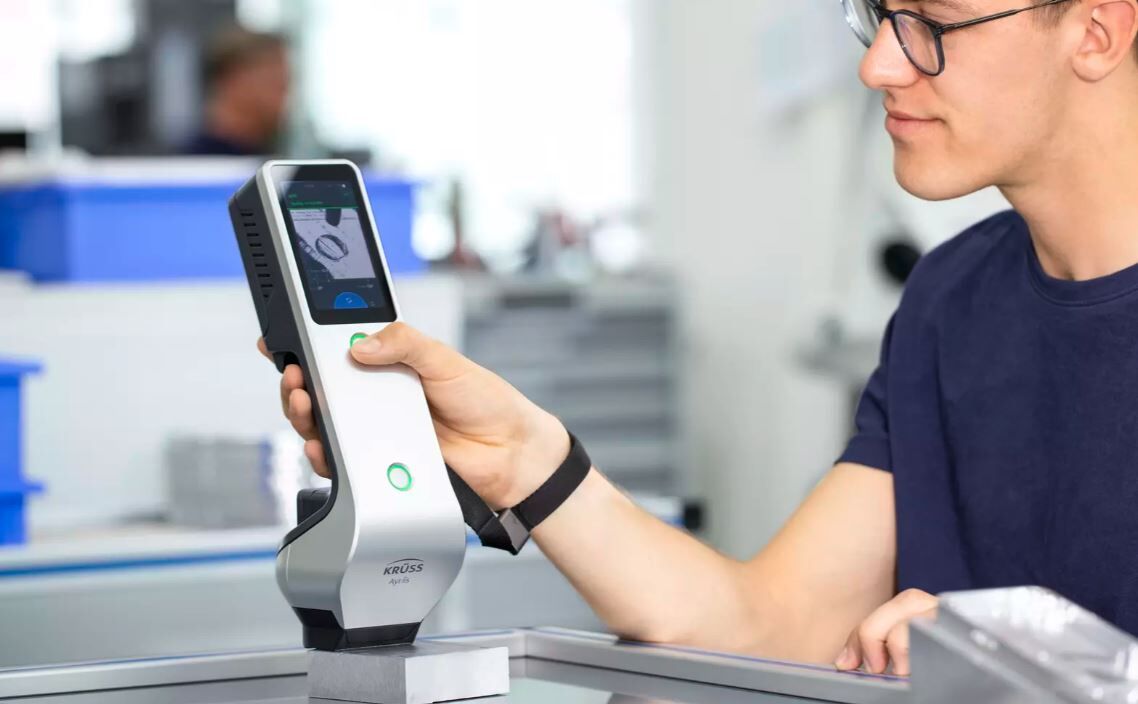
Ayriis 3D Contact Angle
Ayríís uses novel 3D Contact Angle technology to quickly evaluate the wettability of pretreated, cleaned, or coated surfaces.
Find out moreProduct Enquiry
SPEAK TO OUR AUSTRALIAN AND NEW ZEALAND TEAM
If you would like to enquire about this product, fill out this form and one of our product specialists will contact you shortly.
If you need help in the operation or repair of an instrument then please contact the Customer Help Centre directly.
Please note, product enquiries are only applicable to Australia, New Zealand, Papua New Guinea and Fiji
Or call us instead at (02) 9541 3500