


 02 9541 3500
ASAP 2020 Plus Surface Area and Porosimetry system
The Micromeritics ASAP 2020 Plus is a high-performance adsorption analyser for measuring surface area, pore size, and pore volume of powders and porous materials.


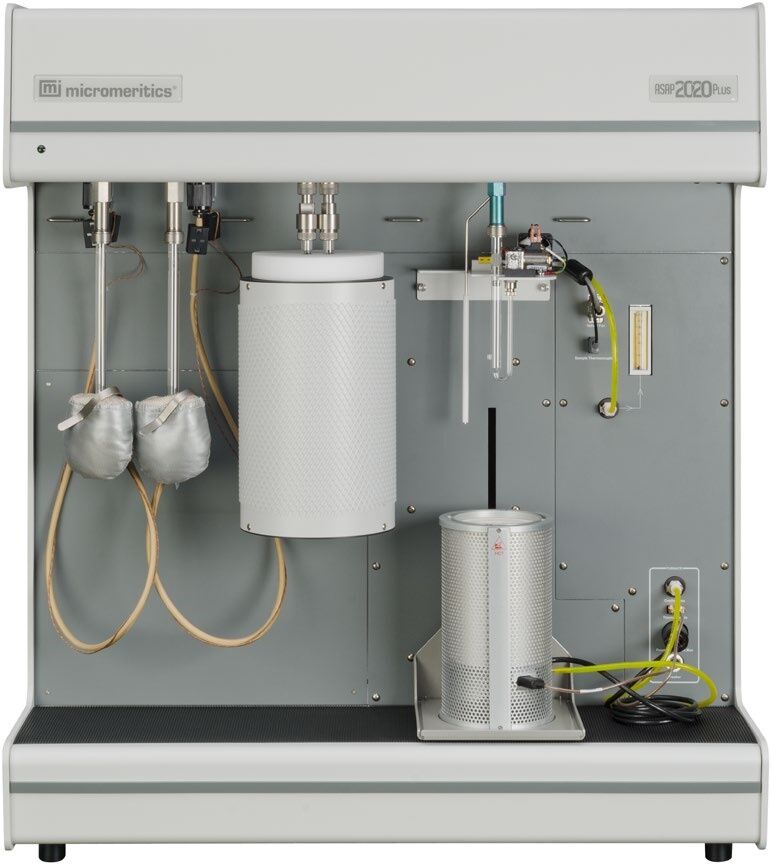
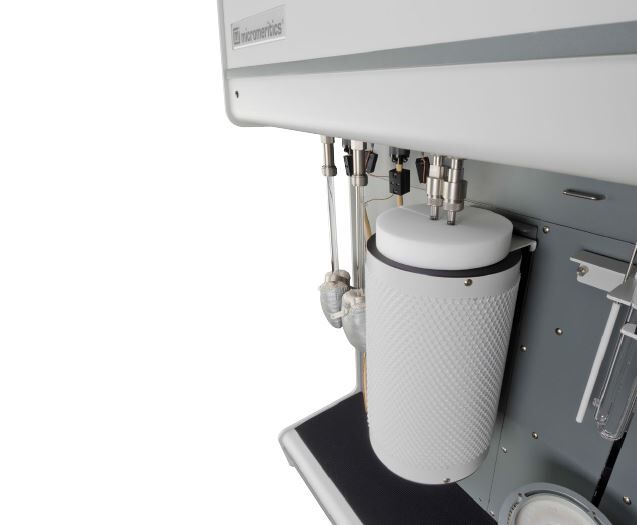
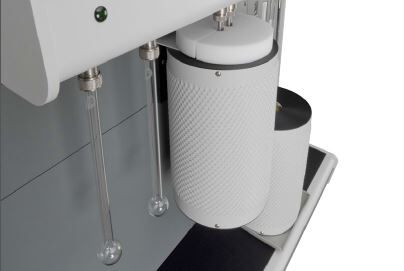
ASAP 2020 Plus Surface Area and Porosimetry system
The Micromeritics ASAP 2020 Plus is a high-performance adsorption analyser for measuring surface area, pore size, and pore volume of powders and porous materials.
| Manufacturer | Micromeritics |
|---|---|
| Product Series | Micromeritics ASAP |
| Measurement principle | Physisorption and Chemisorption |
| Application | Surface Area & Porosity |
| Analysis range (Physisorption) | 1.3 x 10⁻⁹ to 1.0 P/P0 |
| Analysis range (Chemisorption) | 1 x 10⁻⁶ to 900 torr |
| Minimum Measurable Surface Area | Standard 0.01 m2/g 0.01 m2/g Krypton 0.0005 m2/g 0.0005 m2/g |
Product Overview
The ASAP 2020 Plus is a high-performance adsorption analyser for measuring surface area, pore size, and pore volume of powders and porous materials. Standard methods or user customised protocols can be used to characterise adsorbents, catalysts, zeolites, MOFs, APIs, excipients, and a wide variety of porous and non-porous materials.
The ASAP 2020 Plus is ideally suited for gas adsorption analysis of microporous (0.35 to 2nm) and mesoporous (2 to 50nm) materials and delivers superior accuracy, resolution and data reduction. A vapour sorption option can be added to the ASAP 2020 Plus to extend the analysis range of the ASAP 2020 Plus physisorption.
A chemisorption option extends the application range of the ASAP 2020 plus to both physical and chemical adsorption for characterising the texture and active surface of catalysts, catalyst supports, sensors and a variety of other materials.
- BENEFITS
- APPLICATIONS
BENEFITS
• High‐resolution, accurate measurement of surface area, pore size, and pore volume, including micro- (0.35-2 nm) and mesoporous (2-50 nm) materials.
• Flexible configuration with many optional upgrades (micropore, vapour adsorption, chemisorption, high vacuum, enhanced chemical resistance) to suit evolving analytical needs.
• Efficient workflow: independent dual vacuum systems allowing sample preparation (degas) while another sample is being analysed, which improves throughput.
• Strong thermal and pressure stability: isothermal jacket cold-zone control and continuous saturation pressure (P₀) monitoring help improve reproducibility.
• Versatility for both physisorption and chemisorption measurements, enabling characterisation of both physical texture and active surface chemistry (e.g. catalysts).
• Long analysis capability: features like refillable dewar and extended run time support long unattended measurements.
APPLICATIONS
Activated Carbon: Surface area and porosity must be optimized within narrow ranges to accomplish gasoline vapor recovery in automobiles, solvent recovery in painting operations, or pollution controls in wastewater management.
Adsorbents: Knowledge of surface area, total pore volume, and pore size distribution is important for quality control of industrial adsorbents and in the development of separation processes. Surface area and porosity characteristics affect the selectivity of an adsorbent.
Carbon Black: The wear lifetime, traction, and performance of tires are related to the surface area of carbon blacks used in their production.
Fuel cells: Fuel cell electrodes require high surface area with controlled porosity to produce optimum power density.
Catalysts: The active surface area and pore structure of catalysts influence production rates. Limiting the pore size allows only molecules of desired sizes to enter and exit, creating a selective catalyst that will produce primarily the desired product.
Paints and coatings: The surface area of a pigment or filler influences the gloss, texture, color, color saturation, brightness, solids content, and film adhesion properties. The porosity of a print media coating is important in offset printing where it affects blistering, ink receptivity, and ink holdout.
Propellant: The burn rate of propellants is a function of surface area too high a rate can be dangerous; too low a rate can cause malfunction and inaccuracy.
Medical Implants: Controlling the porosity of artificial bone allows it to imitate real bone that the body will accept and allow tissue to be grown around it.
Electronics: By selecting high surface area material with carefully designed pore networks, manufacturers of super-capacitors can minimize the use of costly raw materials while providing more exposed surface area for storage of charge.
Cosmetics: Surface area is often used by cosmetic manufacturers as a predictor of particle size when agglomeration tendencies of the fine powders make analysis with a particle-sizing instrument difficult.
Aerospace: Surface area and porosity of heat shields and insulating materials affect weight and function.
Geoscience: Porosity is important in groundwater hydrology and petroleum exploration because it relates to the quantity of fluid that a structure can contain as well as how much effort will be required to extract it.
Nanotubes: Nanotube surface area and microporosity are used to predict the capacity of a material to store hydrogen.
Pharmaceuticals: Surface area and porosity play major roles in the purification, processing, blending, tableting, and packaging of pharmaceutical products as well as their useful shelf life, dissolution rate, and bioavailability.
Ceramics: Surface area and porosity affect the curing and bonding of greenware and influence strength, texture, appearance, and density of finished goods. The surface area of glazes and glass frits affects shrinkage, crazing, and crawling.
Related products
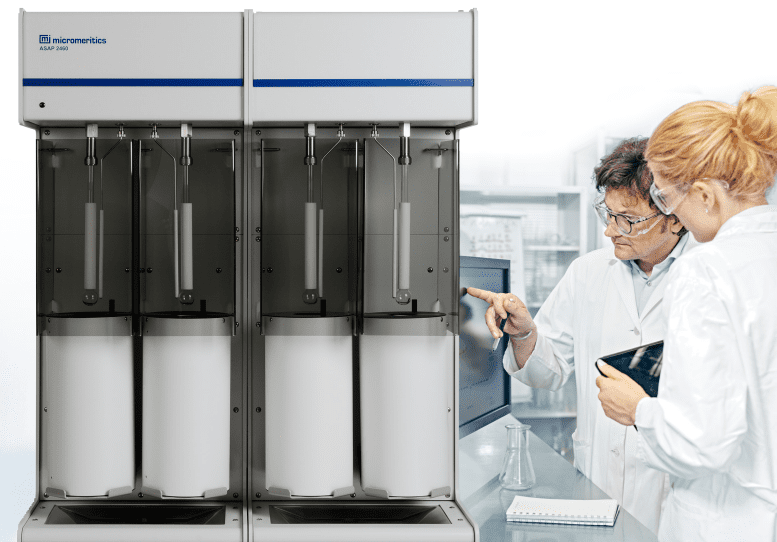
ASAP 2460 & ASAP 2425 Surface Area and Porosimetry System
Micromeritics ASAP 2460 and ASAP 2425 provide high-quality surface area, porosity, and chemisorption isotherm data for materials analysis.
Find out more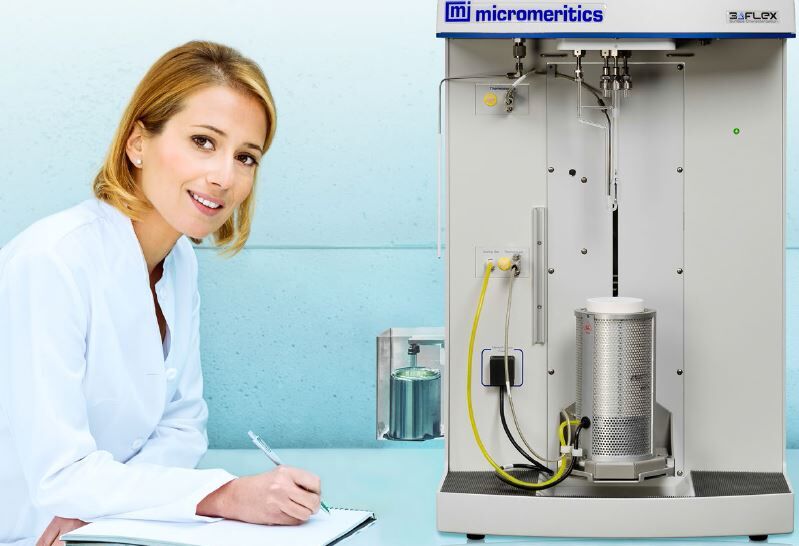
Micromeritics 3Flex Surface Area Analyser
Micromeritics 3Flex is a fully automated, three-station surface characterisation instrument designed for high resolution adsorption and desorption isotherms.
Find out more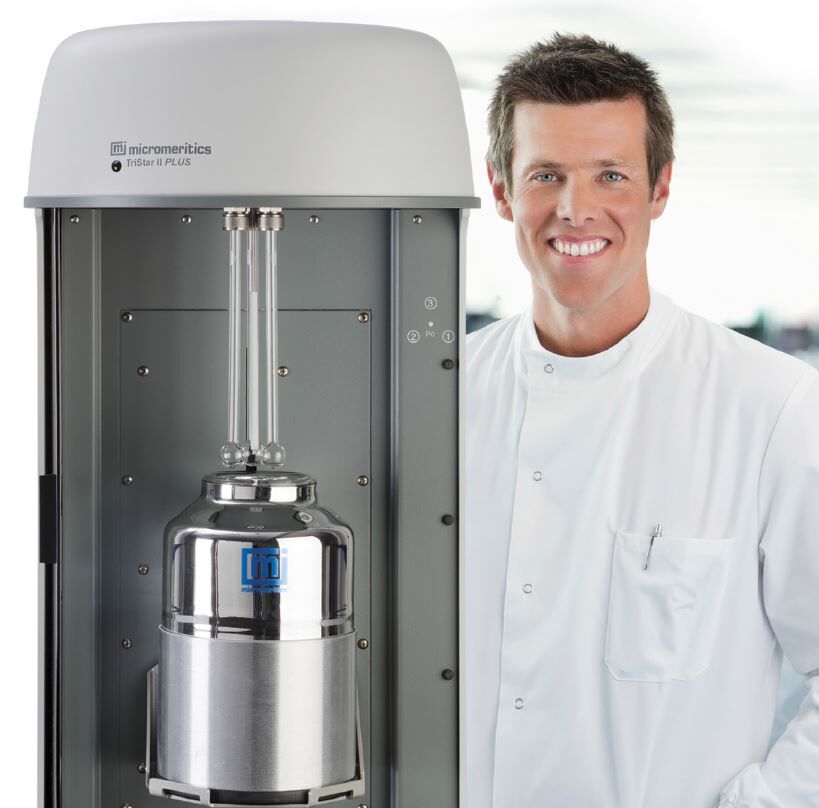
Micromeritics TriStar II Plus Surface Area Analyser
TriStar II Plus is a an automated, three-station, surface area and porosity analyser that delivers excellent repeatability and speed of analysis.
Find out moreProduct Enquiry
SPEAK TO OUR AUSTRALIAN AND NEW ZEALAND TEAM
If you would like to enquire about this product, fill out this form and one of our product specialists will contact you shortly.
If you need help in the operation or repair of an instrument then please contact the Customer Help Centre directly.
Please note, product enquiries are only applicable to Australia, New Zealand, Papua New Guinea and Fiji
Or call us instead at (02) 9541 3500